

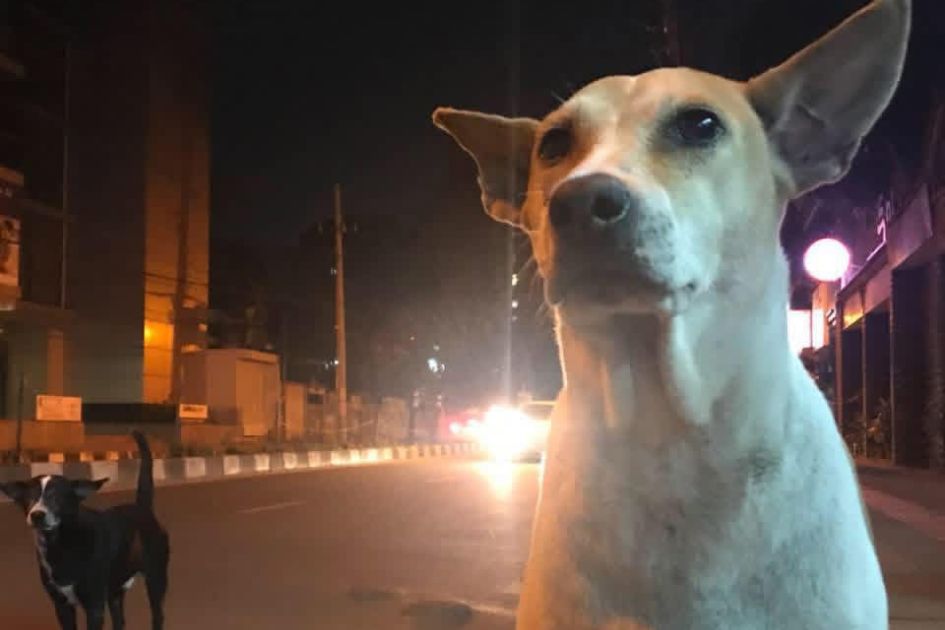



Authorities’ move to remove community dogs in Baridhara DOHS triggers backlash, with activists warning it violates law, disrupts vaccination programmes, and could worsen public health and rabies risks in Dhaka.
Authorities’ renewed efforts to remove community dogs from the upscale Baridhara DOHS neighbourhood in Dhaka have triggered controversy, with residents and animal welfare groups warning the move may violate national law and increase public health risks.
Activists say recent notices issued by the DOHS Parishad calling for the removal of stray dogs and restrictions on pet movement are unlawful and counterproductive. They argue the measures contradict Bangladesh’s Animal Welfare Act, 2019, which prohibits the removal or killing of ownerless animals outside strict provisions and instead promotes vaccination and sterilisation.
“The law is clear. Management, not displacement, is the solution,” a representative of Animal Welfare of Baridhara DOHS said.
Frustration is also growing among residents, some of whom claim attempts at dialogue with authorities have failed. One resident said he received repeated notices over his pet dogs and recalled that his animal was taken away during a similar operation in 2017.
Tensions over animal welfare in the area have persisted for years. In 2019, the killing of a community dog known as “LeBraun” triggered public outrage and led to the formation of the volunteer group Animal Welfare of Baridhara DOHS. In 2022, another incident involving the alleged killing of a pregnant dog prompted legal action by an animal rights organisation.
Since then, volunteers say they have funded and implemented a large-scale sterilisation and vaccination programme, with most community dogs now covered. The initiative has also received support from Dhaka North City Corporation as part of broader rabies control efforts.
However, campaigners allege their work is being obstructed. “Our vaccination drives have faced restrictions and even entry of vehicles has been blocked. This undermines public health efforts,” a volunteer said.
Experts widely recognise the Animal Birth Control approach, based on sterilisation and vaccination, as the most effective long-term method to manage street dog populations. Removing sterilised dogs can create a vacuum, allowing unvaccinated animals to enter and potentially increasing both population and disease risks.
The issue has divided residents. Some cite concerns over noise, hygiene and occasional dog bites, while others say the animals have coexisted peacefully for years. Volunteers claim there has been no verified case of aggression in the area.
Col (retd) M Abdul Hai, president of the Baridhara DOHS Parishad, denied issuing any personal directive, saying decisions are made collectively.
“I have not personally instructed the removal of dogs or cats. Decisions are taken in general meetings and reflect residents’ concerns,” he said.
He acknowledged that dogs are being removed but said the approach has changed. “In the past, dogs were killed. Now they are being relocated outside the area,” he said, citing complaints about noise and sanitation.
He also dismissed calls by activists to escalate the issue, noting that broader national priorities take precedence. He added that DOHS operates under cantonment regulations rather than civilian authorities.
The dispute underscores a growing urban challenge in South Asia on how to manage street animals humanely while addressing community concerns without undermining public health gains.




