




Bangladesh has announced a $180bn energy and power master plan to 2050, aiming to expand domestic gas, scale renewables, cut emissions and ensure long-term energy security for future generations nationwide.
Bangladesh has unveiled its ambitious Energy and Power Master Plan 2026-2050, aiming to provide reliable, affordable and sustainable energy for all citizens while strengthening domestic capacity.
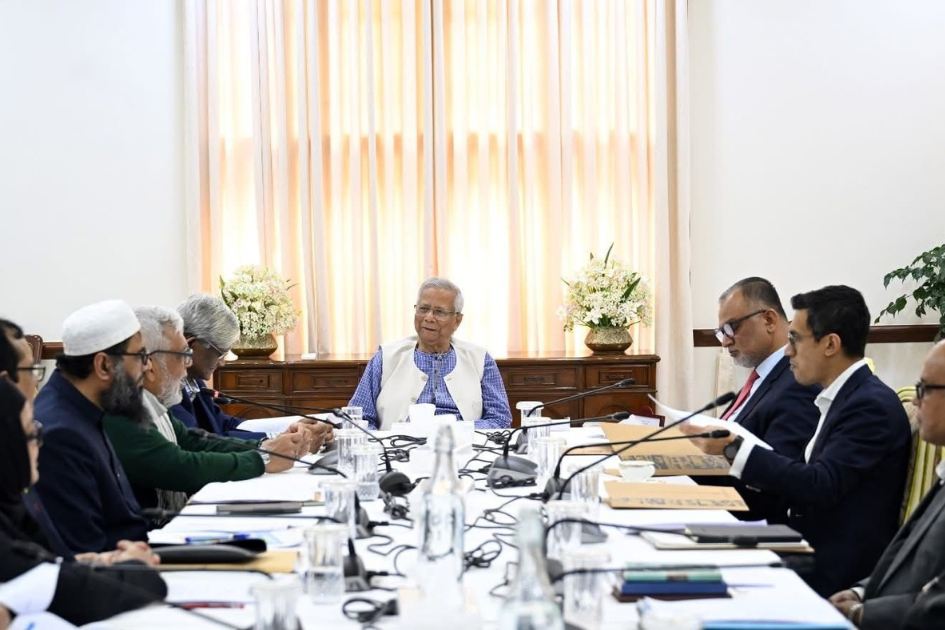
The plan was presented to Professor Muhammad Yunus, the Chief Adviser, at the State Guest House Jamuna. He presided over the meeting attended by senior officials from the Ministry of Power, Energy and Mineral Resources, advisers on finance, trade and industry and executives from the Bangladesh Investment Development Authority (BIDA).
The master plan identifies gaps in previous policies and outlines a three-phase roadmap for 2026–2030, 2030–2040 and 2040–2050. Early priorities include boosting domestic gas production, securing LNG supplies, expanding refinery capacity, developing offshore energy resources and building strategic fuel reserves.
Bangladesh’s energy master plan positions the country as a regional example for long-term energy planning, showing that sustainable development, climate mitigation and economic growth can move forward together.
Long-term strategies include offshore gas development, large-scale refining and petrochemical expansion, hydrogen and ammonia infrastructure, geothermal energy and tidal and wave power projects. Cleaner and more efficient technologies are expected to reduce carbon dioxide emissions per unit of electricity from 0.62 to 0.35 tons per megawatt-hour. Overall, electricity demand is projected to rise from 17 gigawatts today to 59 gigawatts by 2050, with climate initiatives potentially cutting 64.5 million tons of carbon dioxide annually, totaling 1.6 billion tons by 2050.
Several reforms have already been implemented, including the repeal of the Quick Rental Act 2010, the adoption of the Merchant Power Policy 2025 and the Renewable Energy Policy 2025, rooftop solar initiatives and updated net-metering guidelines.
The plan estimates investments of 70 to 85 billion US dollars in the energy sector and 107.25 billion US dollars in electricity generation, to create a safe, efficient, less import-dependent and financially sustainable energy system.
Reacting to the announcement, Sohanur Rahman, Executive Coordinator of YouthNet Global, said policymakers should focus on proven renewable technologies such as solar and wind rather than unproven or costly options like hydrogen, ammonia and carbon capture.
He added that prioritizing efficiency, renewables and clean technologies could create sustainable economic opportunities while protecting communities and the climate.




