

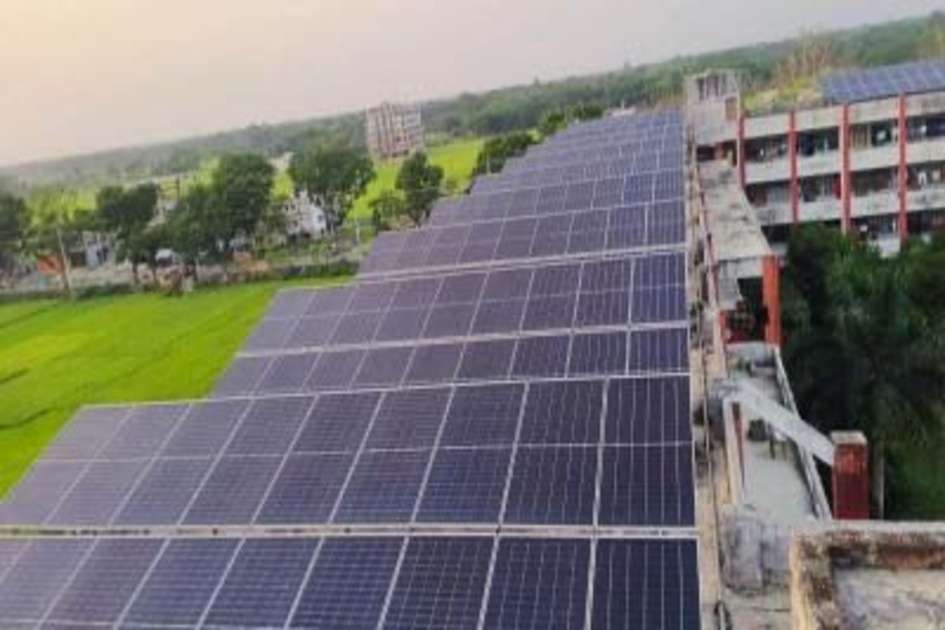



Jashore University of Science and Technology is supplying solar power to the national grid, reducing electricity costs and offering a scalable clean energy model amid Bangladesh’s ongoing energy pressures.
As Bangladesh faces mounting energy challenges driven by rising demand, fuel import pressures and periodic power shortages, Jashore University of Science and Technology has emerged as a pioneer by supplying solar-generated electricity directly to the national grid.
In a major clean energy breakthrough, the university is now contributing 1 megawatt of electricity through a large-scale rooftop solar system, marking one of the first initiatives of its kind by a university in the country.
A timely push for renewable energy
The project, implemented in partnership with Super Star Renewable Energy Limited, was launched in June 2023 to support the United Nations Sustainable Development Goals and accelerate the adoption of clean energy.
Despite temporary disruptions, installation resumed and by December 2025, the university began feeding electricity into the national grid on a limited scale. As of early April, around 80 percent of the solar panels are operational, with full capacity expected within the coming weeks.
Powering campus and supporting the grid
The system is designed to first meet the university’s internal electricity demand before exporting surplus energy to the grid.
Between December and February, the solar installation supplied 56,965 kilowatt hours of electricity to the national grid after meeting campus needs. This has resulted in an estimated 26.6 percent reduction in electricity costs for the institution.
Currently, the university’s total electricity demand stands at approximately 2 megawatts. Once the solar system becomes fully operational, reliance on grid electricity is expected to decrease by nearly half, offering both financial relief and energy security.
Economic and climate gains
Installed across nearly 150,000 square feet of rooftop space, the project is delivering both environmental and economic benefits.
In addition to reducing carbon emissions, the university is generating revenue through rooftop leasing arrangements, further strengthening its financial sustainability.
The initiative also aligns with Bangladesh’s commitments under the Paris Agreement, reinforcing the country’s transition toward low-carbon development.
Leadership highlights growing impact
Vice Chancellor Dr Md Abdul Majid said the initiative comes at a critical time.
He noted that the university’s solar generation is already contributing to the national grid and that with 70 to 80 percent of the system operational, full capacity is expected within a month, which will further increase production. He described the project as a fully renewable energy-driven initiative.
A model for the Global South
As countries across the Global South seek sustainable solutions to energy insecurity, this initiative demonstrates how educational institutions can play a transformative role in advancing renewable energy.
By integrating solar power into its infrastructure, Jashore University of Science and Technology is setting an example for universities across South Asia and beyond, highlighting the potential of decentralized clean energy systems to strengthen national resilience.
With proper policy support and investment, similar models could be replicated nationwide, contributing to a more sustainable and climate-resilient future.




