




Bangladesh is developing a climate-resilient health and nutrition framework, with officials and partners prioritising emergency preparedness, nutrition security and child-sensitive adaptation.
Bangladesh has launched work on a climate-resilient health and nutrition roadmap as part of its Nationally Determined Contribution (NDC) 3.0 commitments, seeking to turn national climate pledges into concrete safeguards for its health system and, in particular, its children.
The initiative comes as one of the world’s most climate-vulnerable nations grapples with an escalating burden of extreme heat, climate-sensitive diseases, displacement and disruptions to food and nutrition security. These pressures are straining health infrastructure and exposing children and other at-risk groups to compounding dangers.
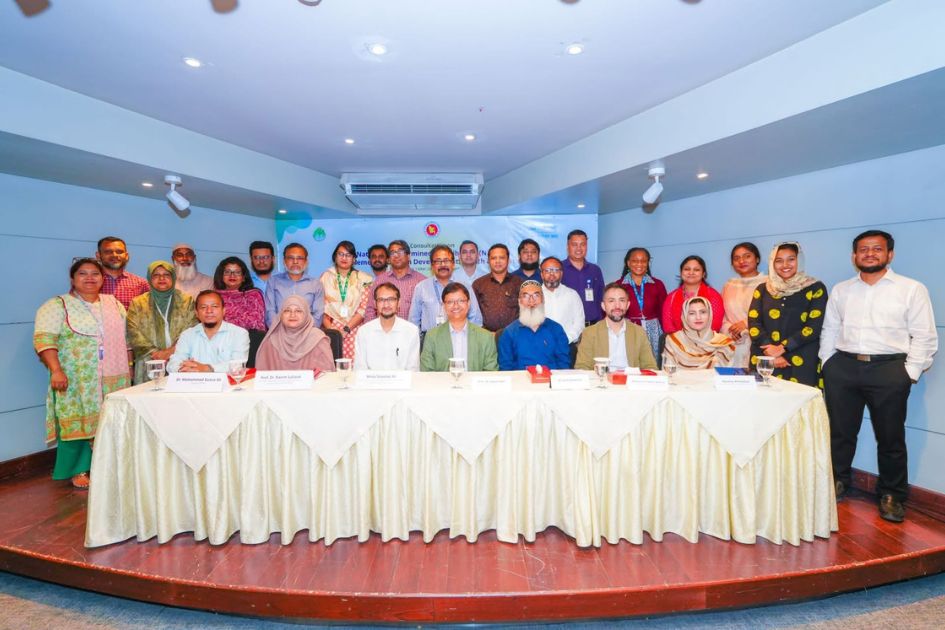
A consultation workshop held on Sunday in Dhaka brought together senior government officials, public health experts and development partners to identify priorities for embedding climate adaptation into national health strategies. The event was organised by the Climate Change and Health Promotion Unit (CCHPU) under the Ministry of Health and Family Welfare, with technical support from UNICEF Bangladesh.
Discussions centred on building a practical framework for climate-resilient health systems, strengthening emergency preparedness, addressing nutrition vulnerabilities and ensuring adaptation measures reach communities and children most affected by climate impacts. Participants stressed that child-sensitive approaches must remain at the heart of Bangladesh’s climate-health planning, as rising temperatures, disease outbreaks and food insecurity increasingly shape children’s lives.
Among those present were Professor Dr. Iqbal Kabir, former CCHPU focal person; Mirza Shawkat Ali, Director of Climate Change and International Convention at the Department of Environment (DoE); and the heads of the Institute of Public Health Nutrition, the National Institute of Preventive and Social Medicine and the Institute of Epidemiology, Disease Control and Research. Officials from the Directorate General of Health Services and the Directorate General of Family Planning also participated.
UNICEF Bangladesh was represented by Deputy Representative (OIC) Dr. Malalay Ahmadzai and Chief of Field Services Antonio Franco Garcia, who attended as special guests, alongside Health Specialist Priscilla Wobil. Their participation underscored UNICEF’s continued commitment to supporting a child-focused implementation of NDC 3.0 in Bangladesh.
The workshop concluded with participating institutions pledging stronger coordination to advance the implementation process. Bangladesh’s initiative reflects a growing effort to place human health, children’s rights and equity at the centre of climate action while contributing to the global push for climate resilience.




