




Bangladesh plans to generate 10,000 MW solar power by 2030, expanding renewables, attracting private investment, and strengthening energy security through policy reforms and large-scale projects on public land.
The government of Bangladesh has announced an ambitious plan to generate 10,000 megawatts (MW) of electricity from solar power by 2030, in what officials describe as a major step toward accelerating the country’s clean energy transition and strengthening long-term energy security.
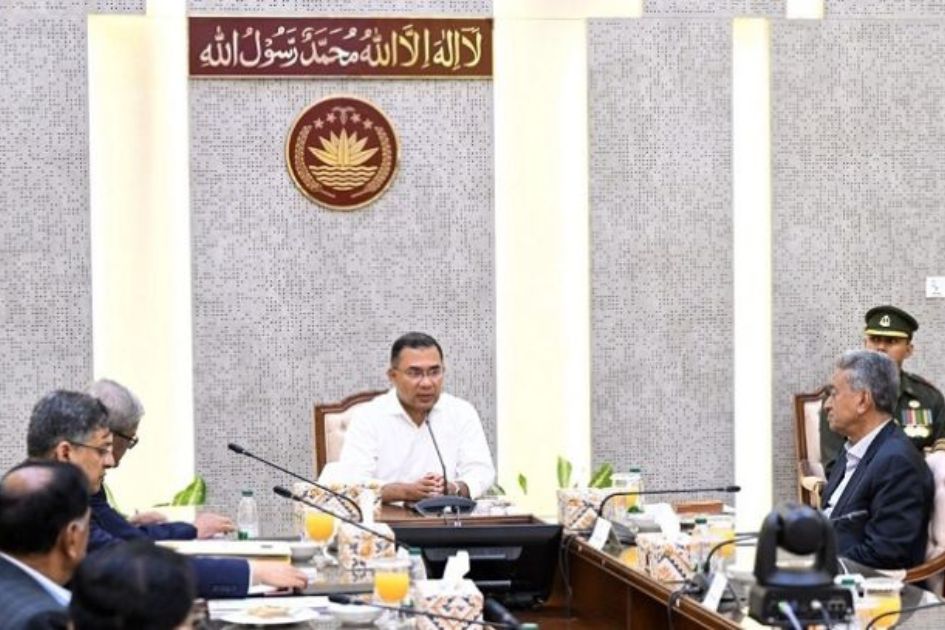
The decision was approved at a cabinet meeting held on Thursday night and chaired by Prime Minister Tarique Rahman.
Briefing reporters in Dhaka after the meeting, Cabinet Secretary Dr. Nasimul Gani said, “The cabinet has taken a decision to expand solar power generation using government-owned land with wider participation from the private sector.”
He added that a dedicated committee has already been formed to design the implementation framework. “After final approval, work will begin very quickly. We are also considering necessary policy reforms and, if required, new legislation to support fast implementation,” he said.
According to officials, the initiative will focus on utility-scale solar projects developed on public land under structured private sector participation models, including public-private partnerships and independent power producer (IPP) arrangements. The government is seeking to create a more streamlined and investment-friendly environment to attract both domestic and international investors.
Dr. Gani noted that the plan is part of a broader effort to diversify Bangladesh’s energy mix. “We are working not only on solar but also exploring biogas and wind energy as complementary sources,” he said.
Preliminary estimates suggest that renewable electricity generation costs could range between Tk 4 and Tk 8 per kilowatt-hour, although officials cautioned that this remains indicative and subject to project design and technology choices.
“Our goal is to simplify existing policies and ensure better use of public land, including suitable areas near educational and healthcare institutions, for renewable energy projects,” Dr. Gani added.
He also acknowledged that earlier solar initiatives had faced implementation challenges. “Some past projects did not deliver the expected outcomes, which is why we are reviewing the entire implementation structure to ensure efficiency and accountability,” he said.
Energy officials said the government aims to strengthen oversight mechanisms while increasing private sector involvement in future energy projects.
Reacting to the announcement, Sohanur Rahman, Executive Coordinator of YouthNet Global, welcomed the move, describing it as a “timely and necessary step toward a just and climate-resilient energy transition for Bangladesh.”
He said, “Scaling up solar energy to this level sends a strong signal that Bangladesh is serious about addressing both climate vulnerability and energy insecurity. However, implementation must ensure transparency, community participation and protection of local ecosystems.”
A detailed action plan from the newly formed committee is expected in the coming weeks, outlining the roadmap for achieving the 10,000 MW solar target and broader renewable energy expansion goals.




