

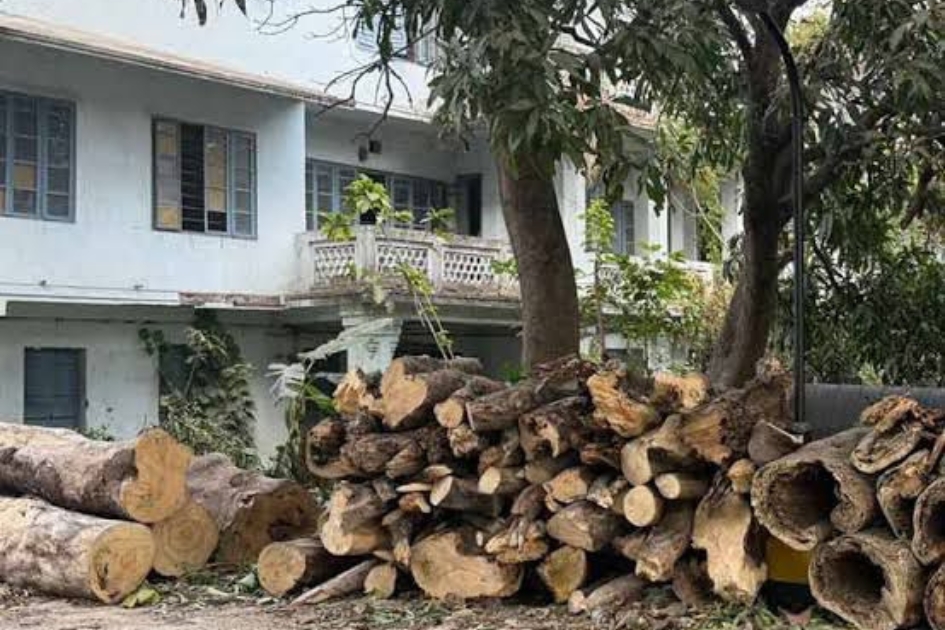



Tree cutting at Kolkata’s Indian Statistical Institute campus has been halted after protests, as forest authorities launch a probe into approvals, environmental impact and preservation of urban green spaces there.
The recent decision to cut trees at the Indian Statistical Institute (ISI) campus in Kolkata has triggered concern among staff, faculty and environmental advocates, prompting an official inquiry by the West Bengal Forest Development Corporation (WBFD). The state’s Forest Minister, Birbaha Hansda, expressed surprise at the developments and confirmed that the department will investigate the matter further.
The move to fell trees was initially approved by the state forest department, with ISI authorities claiming they obtained clearance last December. According to documents, the plan involved the removal of 65 trees, of which only 12 were reportedly dead. The decision, however, sparked immediate opposition from several professors, staff members and officials within the institute, who raised concerns over environmental impact and campus greenery.
Following the protests, ISI’s newly appointed Director, Ayonendra Basu, temporarily halted all tree-cutting activities. “The concern of the staff and faculty is being taken seriously,” said a senior ISI official.
In response to the controversy, Tapan Dasgupta, Chairman of the West Bengal Forest Development Corporation, announced that he will seek detailed explanations from the corporation’s Managing Director, Vipan Kumar Sood. “We cannot allow environmental damage to occur unchecked. If the explanations are unsatisfactory, strict action will be taken,” Dasgupta said.
ISI officials insist that the tree-felling plan was part of campus maintenance and was executed with prior approval. However, the incident has drawn criticism from environmentalists and raised broader questions about the preservation of urban green spaces in Kolkata.
This episode highlights the delicate balance Indian institutions face between development needs and environmental conservation, a concern that is increasingly relevant amid climate change and growing urbanisation pressures.




