


New global report highlights accelerating glacier melt, rising risks and pollution in mountain regions, warning of severe impacts on water systems, biodiversity and downstream communities dependent on fragile highland ecosystems.
Mountains across the world are undergoing rapid environmental change as climate change, pollution and biodiversity loss reshape some of the planet’s most critical ecosystems, a new global report warns.
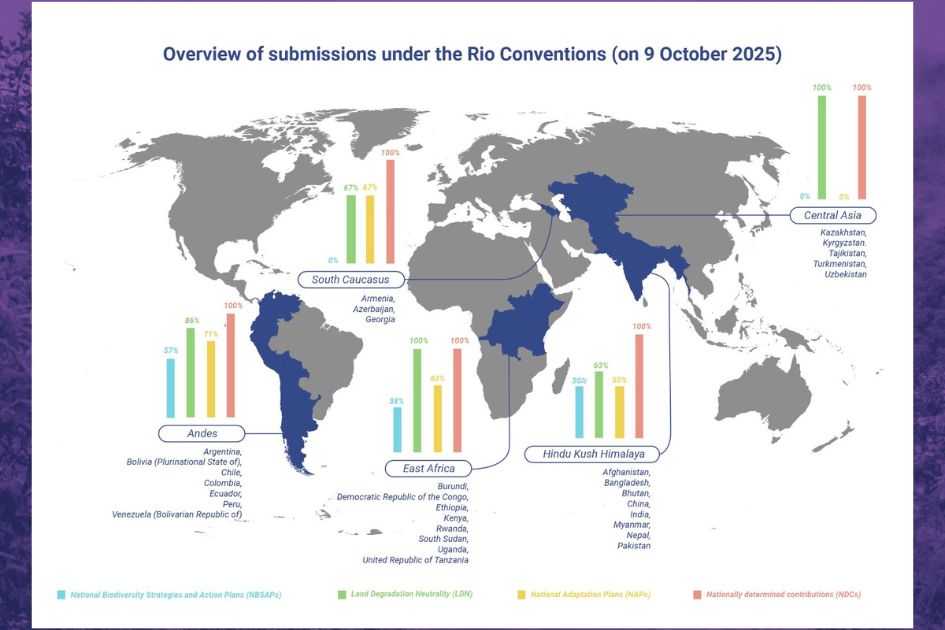
Launched in Paris on March 19, 2026, the report titled Mountains in Motion: Global Linkages from Ridge to River says the impacts are no longer confined to remote highlands and could affect water security, food production and livelihoods for billions of people living downstream.
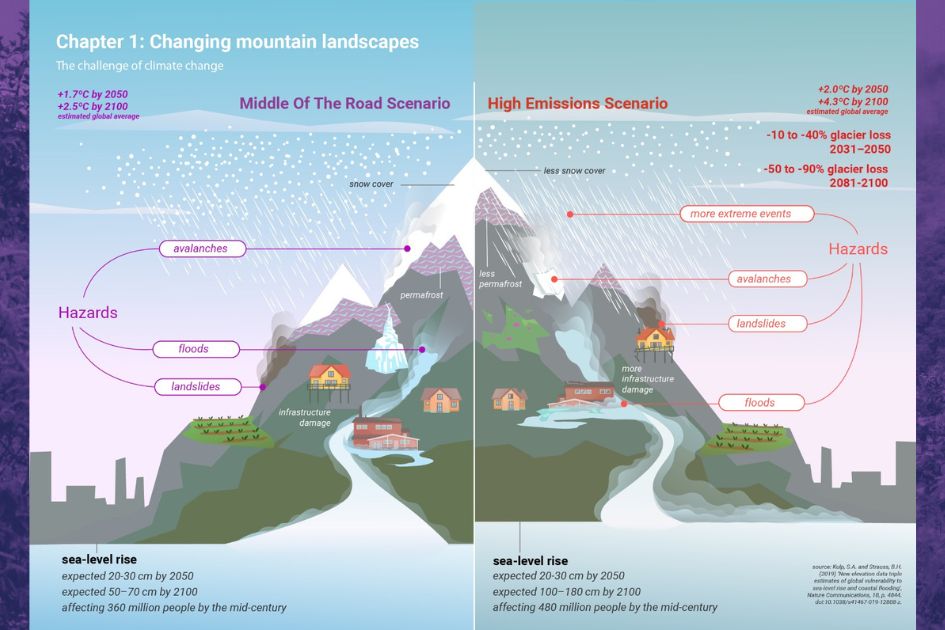
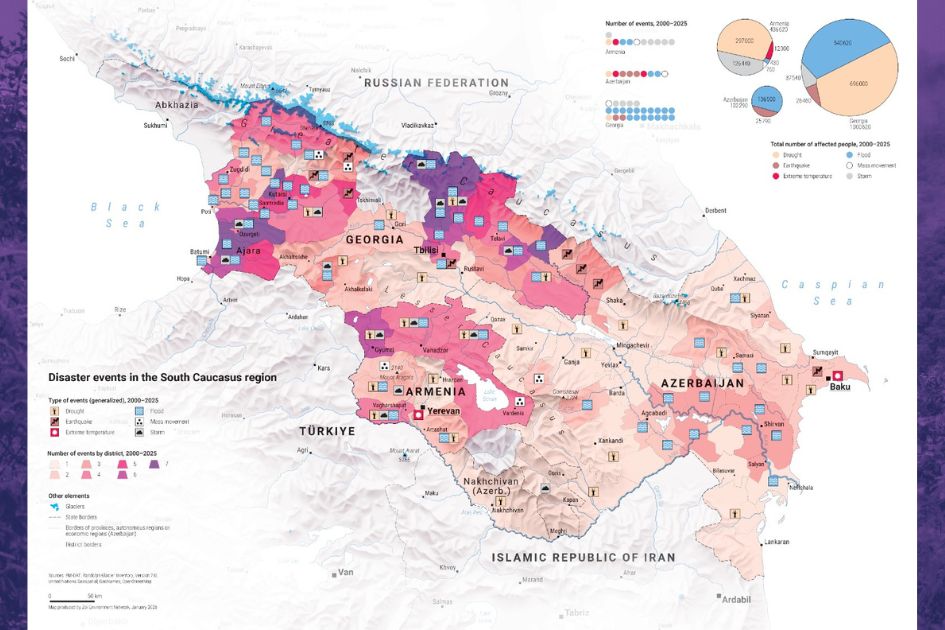
Scientists behind the report highlight that rising global temperatures are accelerating glacier melt, altering snowfall patterns and increasing environmental risks in mountain regions. These changes are already disrupting water systems and intensifying natural hazards such as landslides, avalanches and glacial lake outburst floods.
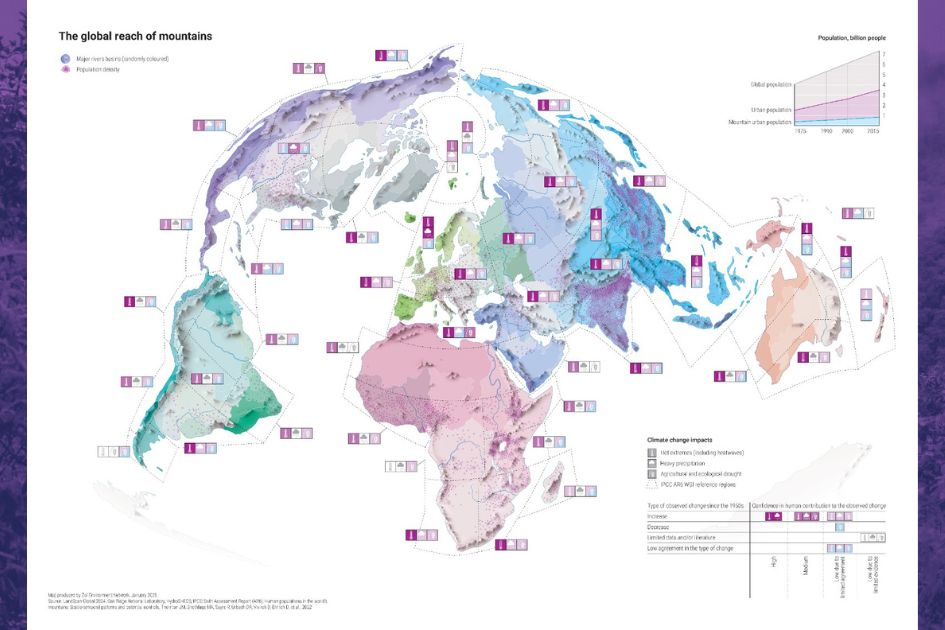
Mountains play a vital role in the global environment, often described as the world’s “water towers,” supplying up to 60 percent of the planet’s freshwater. This water supports agriculture, cities and industries far beyond mountain regions. However, warming temperatures are threatening this natural system.
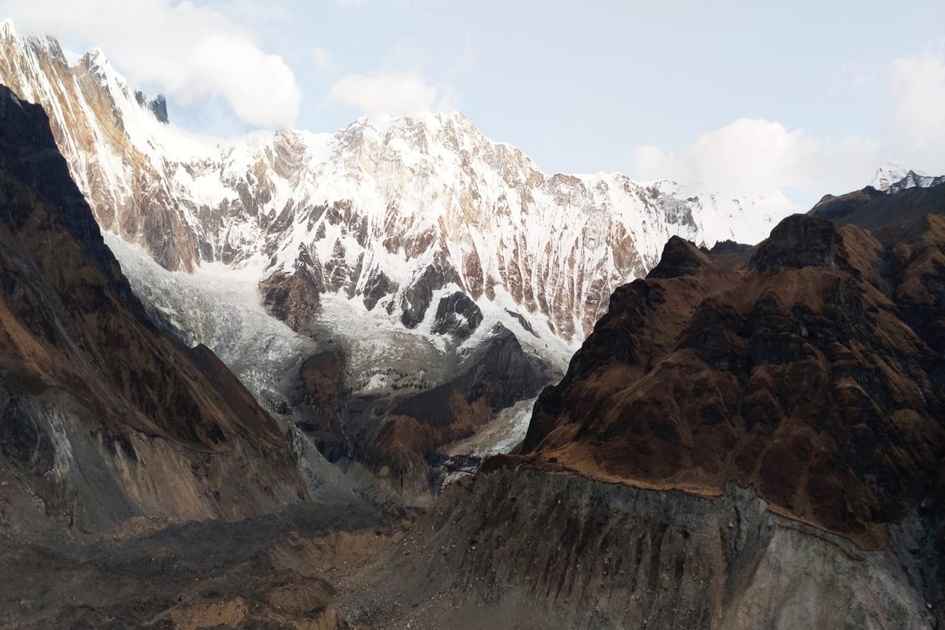
Over the past two decades, glaciers have been shrinking at unprecedented rates. Glacier mass has declined by nearly 39 percent in Central Europe, 35 percent in the Caucasus and Middle East and 29 percent in New Zealand, amounting to a loss of about 84 billion tons of ice. Scientists warn that such losses could fundamentally alter river flows relied upon by millions of people.
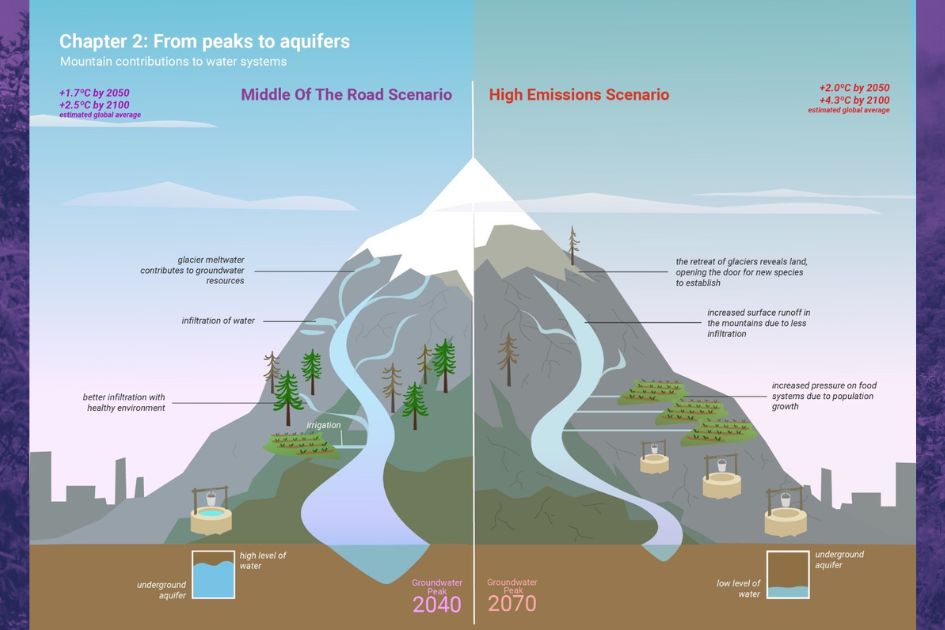
The retreat of glaciers is also increasing the risk of disasters. As ice melts, unstable lakes form and can suddenly burst, releasing massive floods that endanger communities, infrastructure and farmland. At the same time, warming temperatures are destabilizing frozen ground and steep slopes, leading to more frequent landslides and avalanches.
The consequences extend well beyond mountain communities.
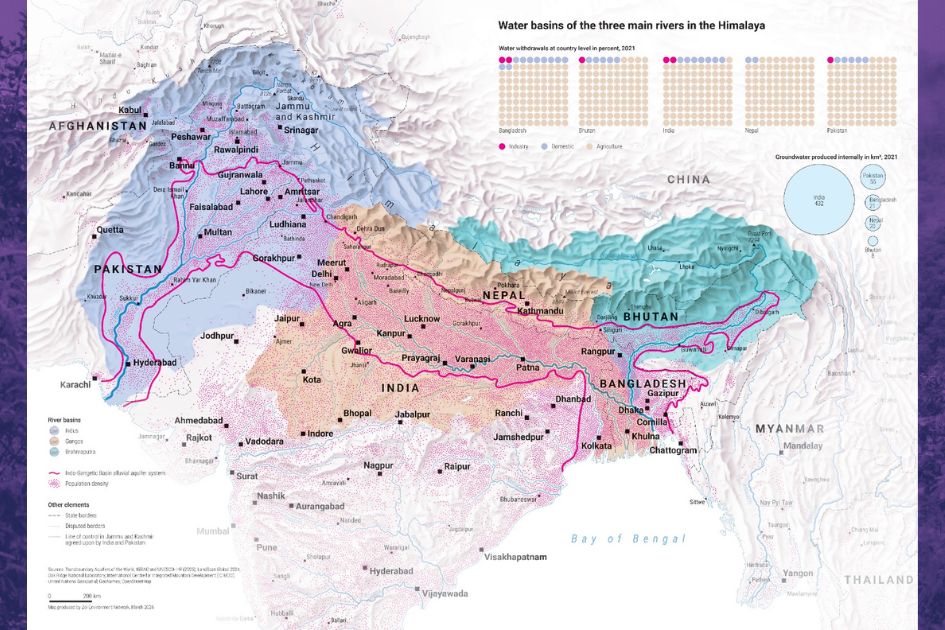
Rivers originating in mountains supply water to major agricultural regions and urban centres worldwide. While faster melting may initially increase water availability, scientists say it will eventually lead to long-term shortages as ice reserves diminish.
This process, known as “peak water,” has already been reached in nearly 45 percent of the world’s largest river basins. Beyond this tipping point, river flows fed by glaciers begin to decline.
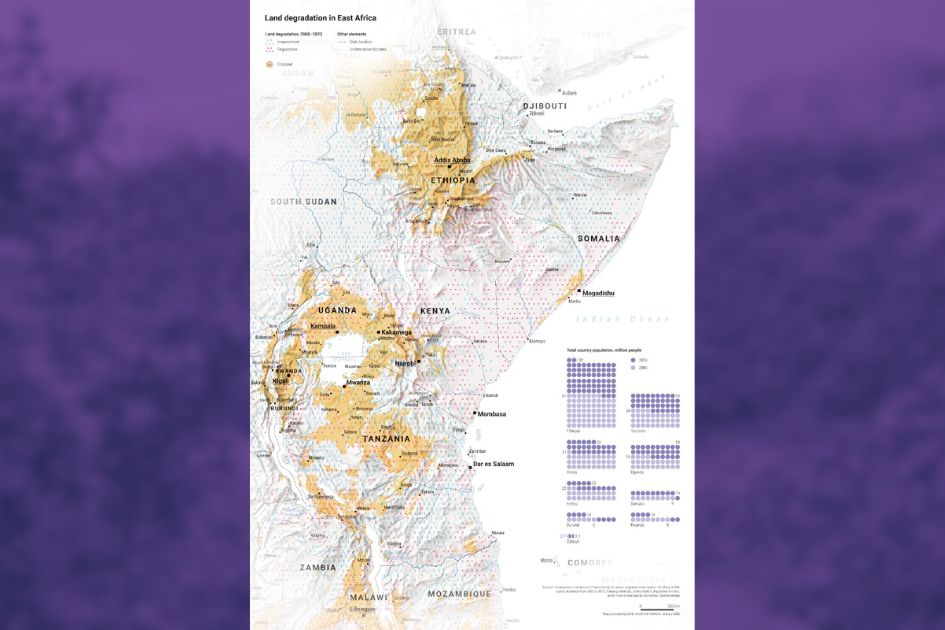
Mountain ecosystems are also under pressure from pollution and land degradation.
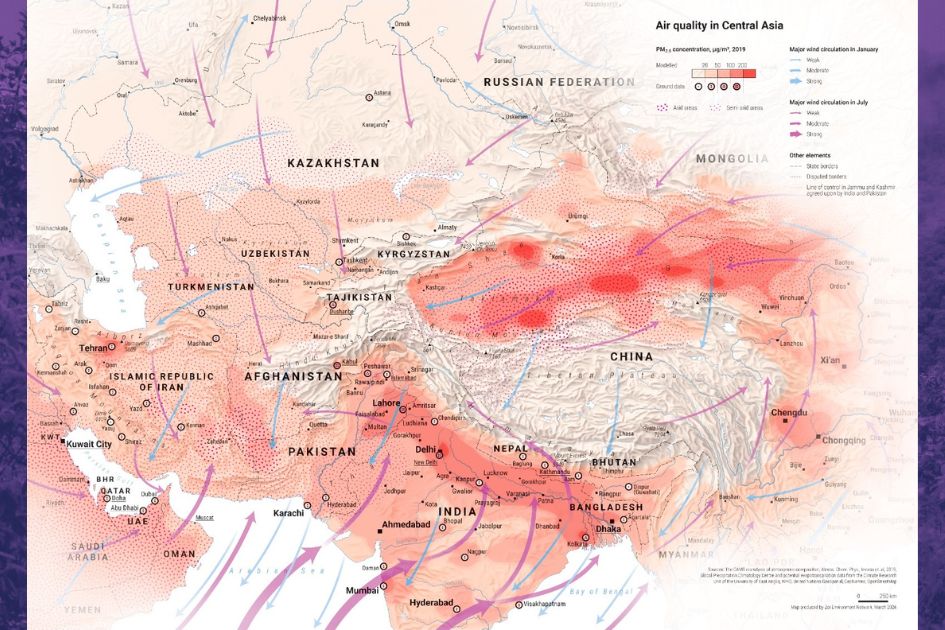
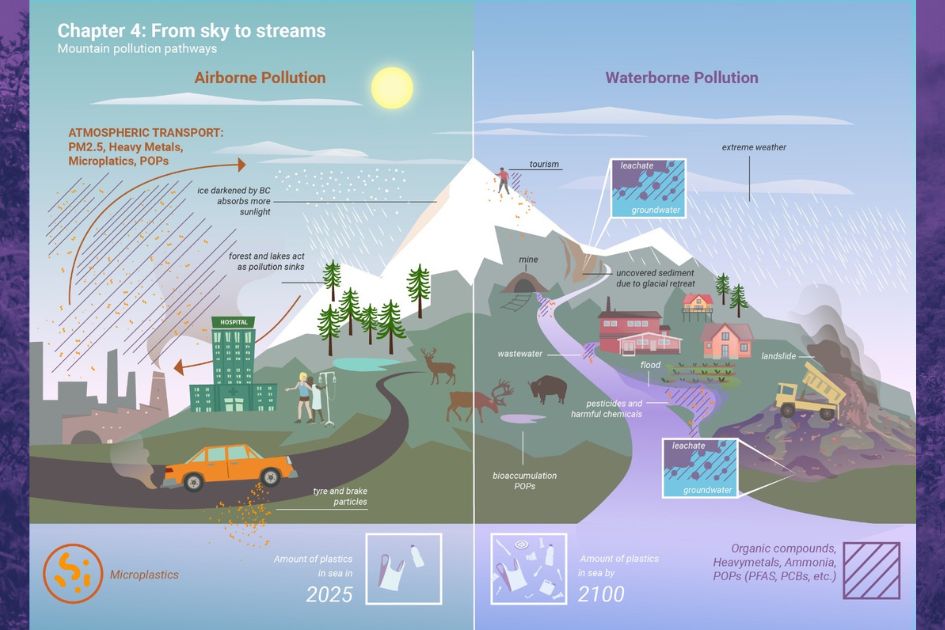
Pollutants from industrial regions and cities can travel long distances through the atmosphere before settling on snow and glaciers at high altitudes. These pollutants can accelerate ice melt and contaminate water sources downstream.
Local activities including tourism, mining and expanding settlements are adding further strain. Waste, plastic pollution and poorly managed development are damaging fragile ecosystems and weakening the ability of mountains to provide essential natural services.
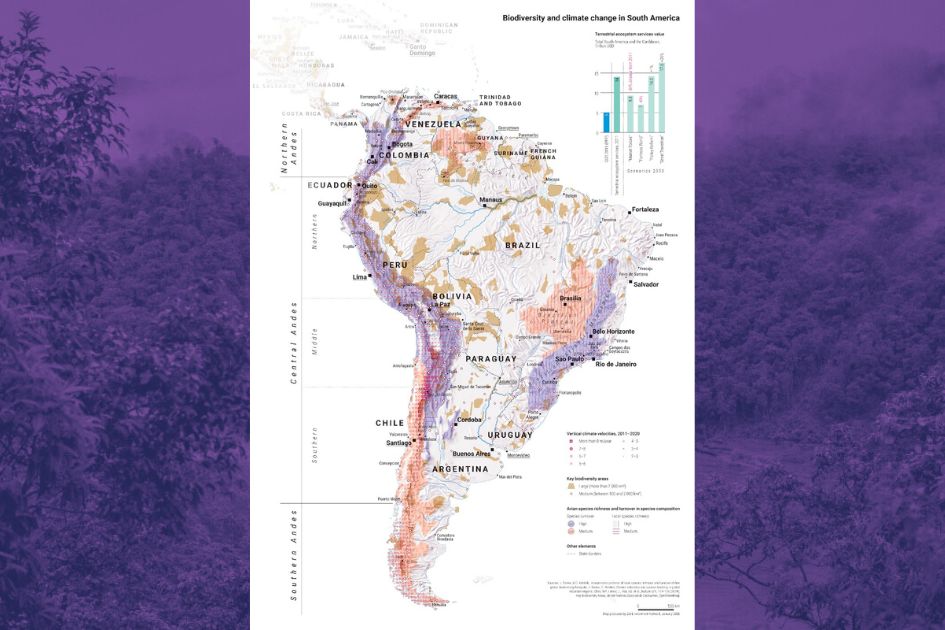
Despite covering only about a quarter of Earth’s land area, mountains are among the richest centres of biodiversity. Research shows they host around 85 percent of the world’s amphibian, bird and mammal species due to the wide range of climates and habitats created by steep landscapes.

However, climate change is forcing many species to move to higher elevations in search of cooler conditions. Those already at the highest peaks face extinction as there is nowhere left to migrate.
Experts describe these pressures as part of a broader “triple planetary crisis” involving Climate Change, Biodiversity loss and pollution. These interconnected challenges are creating cascading impacts that threaten both ecosystems and human societies.
The report warns that failing to protect mountain ecosystems could have global consequences. By 2050, up to 2.3 billion people could depend on water runoff from mountains as populations grow in lowland regions reliant on rivers originating in highlands.
Scientists and policymakers are calling for stronger international cooperation. Recommended measures include improved glacier monitoring, better disaster warning systems, restoration of forests and grasslands and sustainable land management practices to reduce environmental pressure.
Laurent Fouinat, a senior expert on polar regions and climate at GRID-Arendal, said mountains may appear remote but their changes affect the entire planet.
“Climate change in mountains can be seen in melting glaciers and snow at high altitudes as well as changes in rainfall. Some seasons bring more rain while others bring drought,” he said.
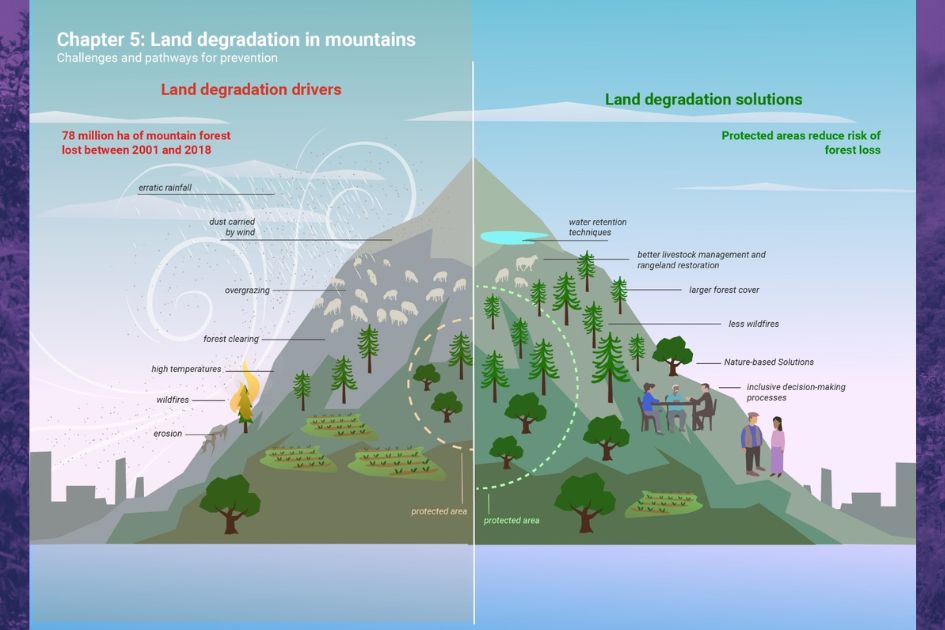
Fouinat stressed the importance of slowing water flow through nature-based solutions such as increasing forest cover, improving soil absorption and deepening understanding of impacts on plants and animals. These measures can reduce risks while supporting local economies and biodiversity for both mountain communities and nearby lowland populations.
He added that action is needed at all levels. Local authorities and communities must act, national governments should set clear targets and scientists must continue to build knowledge. Increased funding is also essential to help mountain regions adapt.
“The main solution is to greatly reduce greenhouse gas emissions. Change is already happening and science clearly shows where we are heading but it will take time. At the same time we must act now to reduce impacts in the coming years,” he said.
“The good news is that the solutions already exist. These include restoring ecosystems, reducing pollution at its source and supporting sustainable livelihoods for mountain communities. In countries like Nepal the focus should be on expanding these nature-based community-led solutions with stronger policies and better access to climate funding.”




