




Bangladesh High Court stops waste facility construction near Bhawal National Park, citing environmental risks, and seeks accountability, restoration measures, and protection of biodiversity and wildlife habitats.
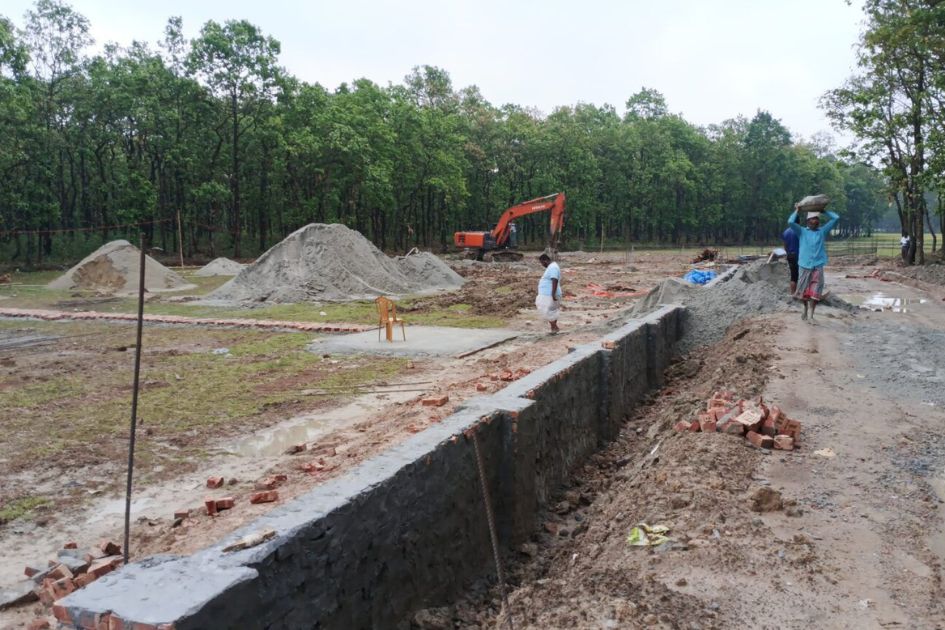
The High Court of Bangladesh on Monday halted all activities related to the construction of a waste management Secondary Transfer Station (STS) in and around Bhawal National Park, citing serious risks to the park’s ecosystem, biodiversity and wildlife habitats.
A division bench directed the Gazipur City Corporation to immediately refrain from dumping waste in the national park and its surrounding protected forest areas.
Alongside the interim order, the court issued a rule asking authorities to explain why their failure to prevent the unauthorized construction of the STS facility and continued waste dumping in protected forest land and adjacent private properties should not be declared unlawful and against the public interest. It also sought an explanation as to why the city corporation should not be ordered to compensate for environmental damage caused to the park and its ecosystem.
The court further questioned why relevant government bodies should not be directed to demarcate forest boundaries, restore natural ecosystems and wildlife habitats, regulate tourism activities and introduce technology-based monitoring systems to protect the area.
The order followed a preliminary hearing of a public interest litigation filed by the Bangladesh Environmental Lawyers Association.
According to the petition, waste had been dumped for a prolonged period near the park’s main entrance and along its boundary walls, severely degrading the environment, disrupting ecosystems and threatening wildlife habitats. Overflowing waste also spilled onto nearby highways, causing public inconvenience.
Although dumping was temporarily halted in 2024 and 2025 following intervention by the Forest Department, the practice reportedly resumed in recent months. Authorities also initiated steps to construct the STS facility without proper authorization in protected forest land and nearby private areas.
Despite requests from the environment ministry to halt such activities, the work allegedly continued. The issue gained wider attention after a national daily reported on April 23 that waste dumping sites were being developed near the park in violation of restrictions.
Respondents in the case include officials from the Local Government Division, environment authorities, the Forest Department, district administration and law enforcement, along with representatives of the city corporation.
Environmental advocates welcomed the court’s intervention, describing it as a timely step toward safeguarding one of Bangladesh’s key forest ecosystems from further degradation.
Sohanur Rahman, Executive Coordinator of YouthNet Global, said the court’s directive reflects growing public demand for environmental accountability.
“Protecting forests like Bhawal National Park is not just about conservation, it is about safeguarding climate resilience, biodiversity and the rights of future generations,” he said. “This decision sends a strong signal that unplanned waste management practices cannot come at the cost of critical ecosystems. What is needed now is strict enforcement, transparent governance and community engagement to ensure long-term protection.”




