


As COP30 moves into its ninth day, negotiations in Belém have intensified, exposing a deep global divide over how climate action should be funded. On one side stand loan-driven pledges that push poorer nations deeper into debt; on the other, growing demands for debt-free, justice-based climate finance. That clash has become the defining battleground of this year’s summit.
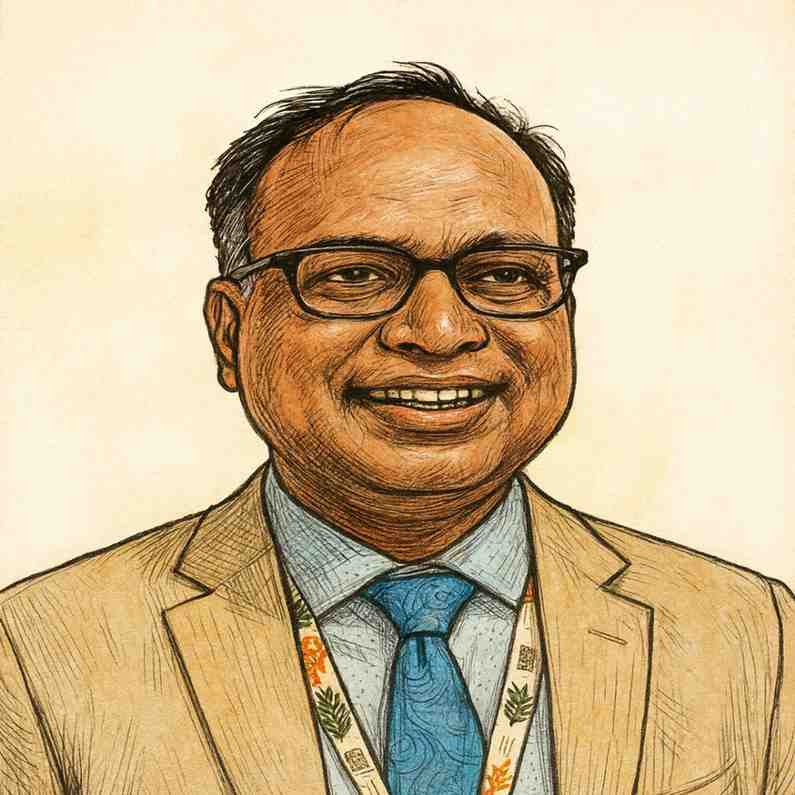
At the centre of this storm is M Zakir Hossain Khan, one of the most influential voices on climate finance at COP30. His newly released Climate Debt Risk Index has shaken the talks by revealing how vulnerable countries are being squeezed by loan-heavy climate funding disguised as support. A long-time Independent Observer of the Climate Investment Funds and the Co-founder & Managing Director of the Dhaka-based think tank Change Initiative, Khan has emerged as a leading advocate for a global shift from climate debt to climate justice.
In this interview, he lays out what the world must deliver in Belém: the expectations, the disappointments, and the decisive steps needed if COP30 is to restore faith in the global climate system. Here is his full interview:
Q: Why is COP30 so significant this year?
Zakir Hossain Khan: COP30 in Belém is not just another climate conference to me. It feels like a reckoning. We are sitting in the Amazon at the ten-year mark of the Paris Agreement, and the world is still drifting toward nearly 2.3°C of warming. The 1.5°C threshold, once a warning, is now a rapidly closing window. When the UN Secretary-General says we are on a path of moral failure, he is not exaggerating. That is why I see this COP as a defining moment. Either we transform promises into enforceable action, or we accept that the Paris Agreement has reached its political limits. Belém is where leaders must decide whether this system still has the courage to deliver justice, ambition, and real protection.
Q: What should the world expect from COP30?
Zakir Hossain Khan: I expect COP30 to finally shift us from diplomacy to delivery. We cannot afford another summit of polite acknowledgements and vague optimism. Countries must present commitments strong enough to peak global emissions before 2030 and set out a clear trajectory to phase out fossil fuels. But ambition means nothing without the means to act. That’s why climate finance must change fundamentally. The world needs a transparent, grant-based finance goal, one that actually reflects the scale of the crisis rather than the comfort level of donor nations. And the Loss and Damage system must stop being symbolic; it must start disbursing funds quickly and directly to communities already suffering irreversible shocks. Adaptation cannot remain stuck in planning documents; it must reach villages, cities, deltas, forests, everywhere people are fighting for survival. Most importantly, COP30 must embed justice into its outcomes by recognising the rights of Indigenous peoples, women, youth, and nature, especially here in the Amazon, where livelihoods and ecosystems are inseparable.
Q: How is Change Initiative contributing to these expectations?
Zakir Hossain Khan: At Change Initiative, we came to COP30 with evidence, alternatives, and a clear demand for justice. Our Climate Debt Risk Index exposes how vulnerable countries are being pushed deeper into debt through loan-heavy climate funding. This was essential because far too many leaders still talk about climate finance without acknowledging the harm caused by loans disguised as support. Bangladesh, for example, is already in the high-risk category, carrying a per-capita climate debt several times the LDC average. That is not climate action, it’s climate debt.
But we don’t only expose the problem; we propose a different path. Our work advances what we call Natural Rights-Led Governance, the idea that people and ecosystems have inherent rights that cannot be sacrificed for short-term finance. We promote climate debt audits, debt-for-nature swaps, and zero-interest green bonds to ensure finance becomes a vehicle of justice, not exploitation. We support governments in shaping NDCs 3.0 so national plans embed community rights, nature-based solutions, and equitable transitions. And through the Climate Investment Funds, where I serve as a civil society observer, I push for transparency, integrity, and debt-risk screening to ensure new funds do not quietly reproduce old injustices. In essence, our role is to bring data, governance alternatives, and moral clarity to a system that has grown comfortable with half-measures.
Q: What must COP30 deliver to be considered a success?
Zakir Hossain Khan: For COP30 to be meaningful, it must produce outcomes anchored in justice rather than political convenience. The new global finance goal cannot be another headline, it must reflect the true scale of global need and commit to increasing grants, especially for LDCs and climate-vulnerable nations. The Loss and Damage fund must finally become operational, delivering money swiftly and without pushing countries into deeper debt. Our next round of national commitments must align fully with 1.5°C, including a pathway to phase out fossil fuels and stop approving new projects in critical ecosystems like the Amazon. Adaptation must move from strategy to execution, supported by predictable and accessible financing. And the rights of Indigenous communities, local people, and nature itself must be acknowledged in the formal text. Without these pillars, we will leave Belém with nothing more than another set of promises.
Q: What hopes do vulnerable people bring into COP30?
Zakir Hossain Khan: Their hopes are heartbreakingly simple. They want to survive the next cyclone, flood, or drought without being pushed deeper into debt. In Bangladesh alone, we lose nearly a billion dollars each year to cyclones. Those losses accumulate into national debt, which eventually becomes a burden on the poorest families, families who did nothing to cause this crisis. Vulnerable people want climate finance that does not arrive as a bill. They want the world to finally acknowledge climate debt as an injustice. And they want their voices and rights recognized, not as passive beneficiaries but as rights-holders, whether they are Indigenous guardians of the Amazon or farmers in the delta. Their deepest hope is that COP30 marks the beginning of an era where climate justice replaces climate debt.
Q: What disappointments have emerged so far?
Zakir Hossain Khan: There are several, and they must be acknowledged honestly. Global action continues to lag behind scientific warnings. Some major emitters are missing in action at the negotiating table. Adaptation remains chronically underfunded despite repeated disasters. Climate finance debates remain defensive and dominated by loan-based approaches that worsen debt in countries already struggling. Progress on Loss and Damage has been painfully slow. Even here in Brazil, the contradiction is striking: while we talk about forest protection, new fossil projects continue near sensitive ecosystems. These inconsistencies erode trust. They undermine the credibility of global climate governance. And they make it harder for vulnerable nations to believe that the system can still deliver justice.
Q: What must global leaders do now?
Zakir Hossain Khan: Leaders must act as if 1.5°C is a red line, not a negotiating position. That means ending new fossil-fuel expansion immediately and supporting a just energy transition, particularly for countries that cannot finance it alone. They must acknowledge climate debt for what it is: an injustice rooted in historical responsibility. Finance must shift from loans to grants, supported by debt audits and restructuring. They must embrace governance that recognises the rights of nature and communities. And they must give vulnerable nations real power in decision-making, power over how funds are designed, allocated, and monitored. Most of all, they must move from voluntary promises to enforceable obligations. If they cannot do that here, in the Amazon, then the credibility crisis of climate governance will worsen. But if they act with courage and honesty, COP30 can still become the moment when the world chose justice over inertia and transformed promises into protection.




