

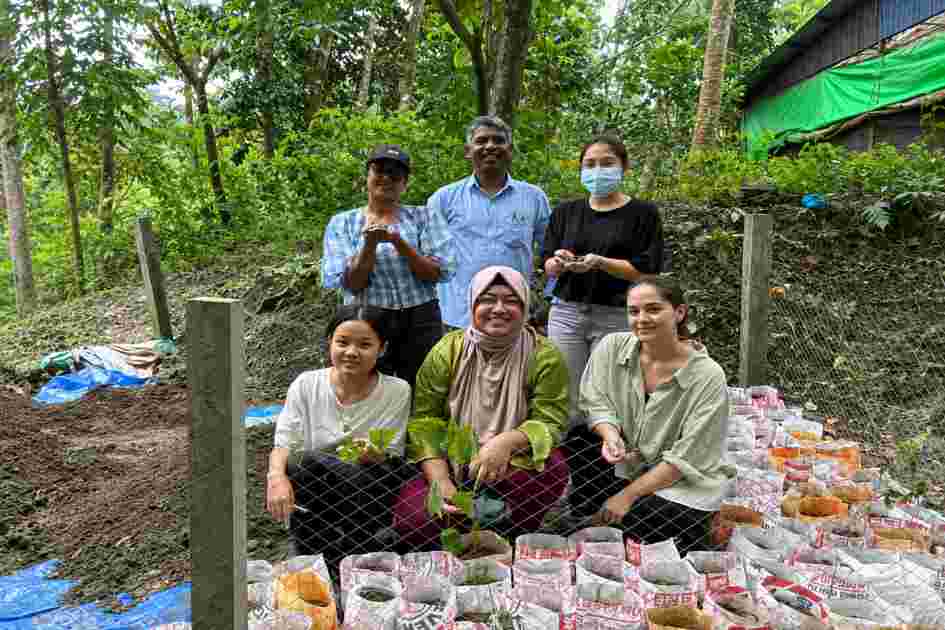



Student interns raised the Moringa saplings at AUW’s Green Bangle Project nursery, linking hands-on environmental learning with nutrition awareness and a greener campus environment in Chattogram.
AUW Green Bangle Project has planted 500 Moringa saplings across its main campus in the Bangladeshi port city of Chattogram as part of a student-led environmental initiative aimed at expanding campus greenery and promoting sustainable food awareness.
AUW’s Green Bangle Project which said the initiative brought together members of the university community, including Professor Sangita Rayamajhi, vice chancellor of the Asian University for Women and Dr. Nancy Mock, associate professor at the School of Public Health and Tropical Medicine at Tulane University in the United States.
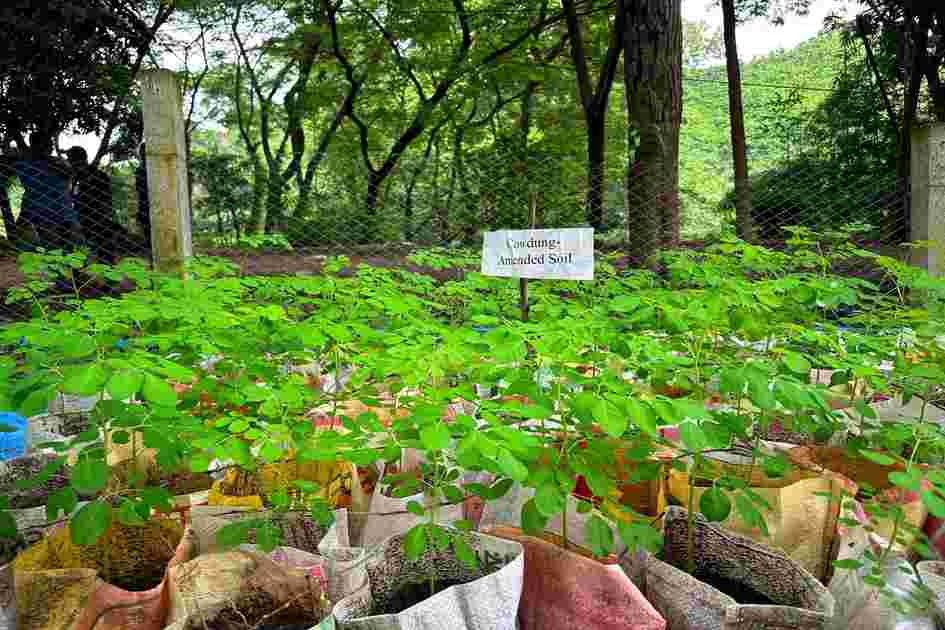
The saplings were germinated, nurtured and prepared for planting by student interns at the Green Bangle Project nursery. The interns were involved from the early stages of seed germination to caring for seedlings and preparing them for transplantation across the campus.
The project said the plantation was intended to support student learning, environmental stewardship, campus greening and sustainable food awareness. As the saplings grow, students will be able to observe, care for and learn from the trees they helped cultivate.
Moringa was selected because it is a fast-growing, nutritional and multipurpose tree that can contribute to campus greening while supporting possible future educational, nutritional and livelihood-oriented initiatives.
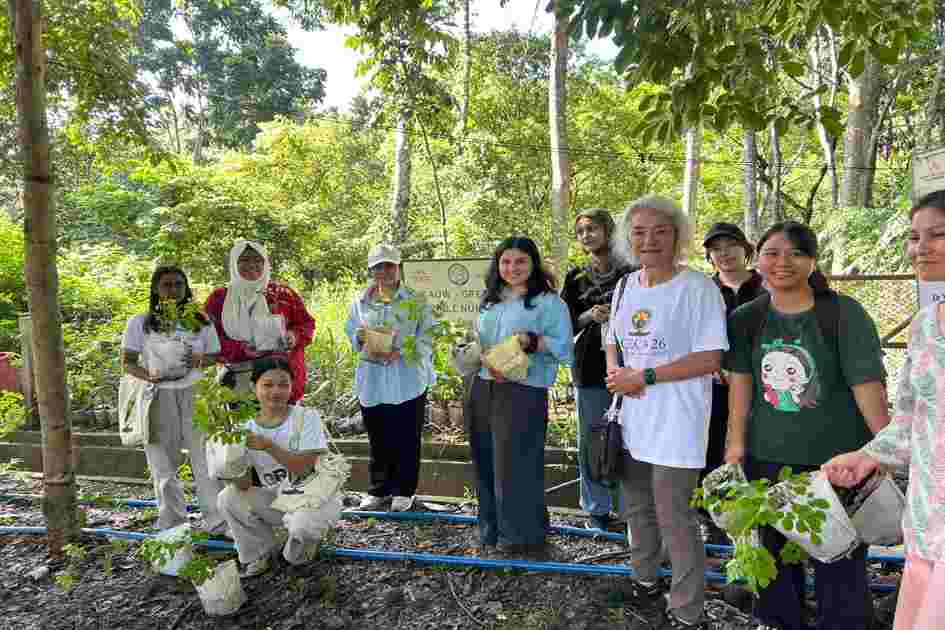
Moringa leaves are widely recognised as a nutrient-dense plant food containing protein, dietary fibre, vitamins and minerals, including vitamin A precursors, vitamin C, calcium, iron and potassium. Moringa does not contain collagen, but nutrients such as vitamin C found in its leaves contribute to the body’s normal collagen production.
“Moringa is a very valuable plant from a public health perspective. It has important nutritional value, and the more commonly it is used and understood, the greater its potential benefit for communities. I really appreciated seeing this plantation program and the way AUW is bringing nutrition, sustainability and environmental action together,” Mock said.
Professor Dr. Mosae Selvakumar Paulraj, director of Environmental Sciences and Biological Sciences at AUW, also highlighted Moringa’s potential as a sustainable food resource, particularly in relation to women’s health and nutrition.
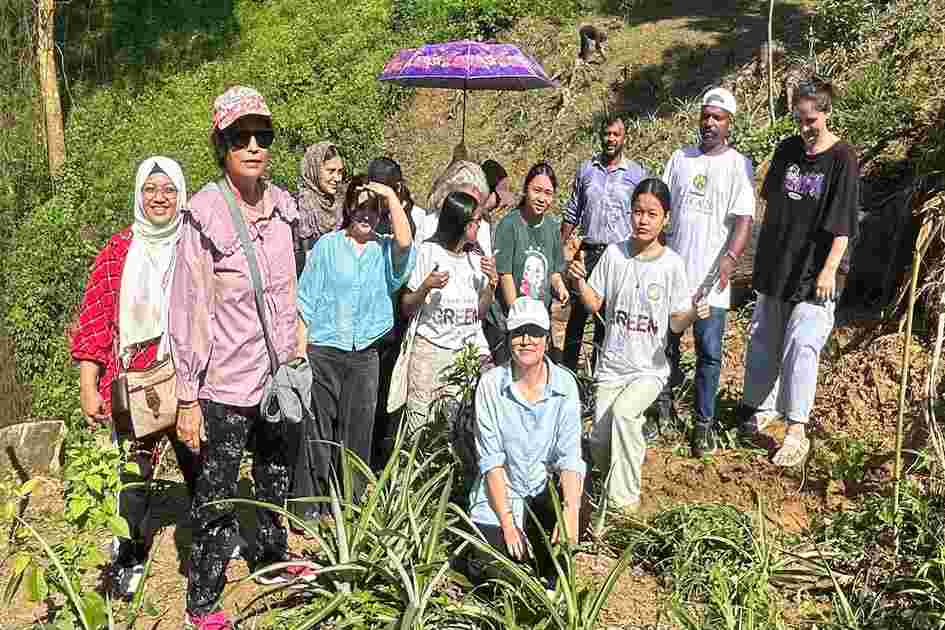
He pointed to its nutritional content, including iron, protein, fibre and nutraceutical compounds, and said it could contribute to sustainable food systems and livelihoods. He also said AUW could explore incorporating Moringa into its dining services in the future and developing Moringa-based products that could reach communities beyond the university.
The Green Bangle Project said the saplings will contribute to increased greenery on the AUW Main Campus and help create a more sustainable and environmentally conscious campus environment.
The project said the plantation demonstrates how student initiative, environmental action, nutritional awareness and institutional commitment can grow together.




