

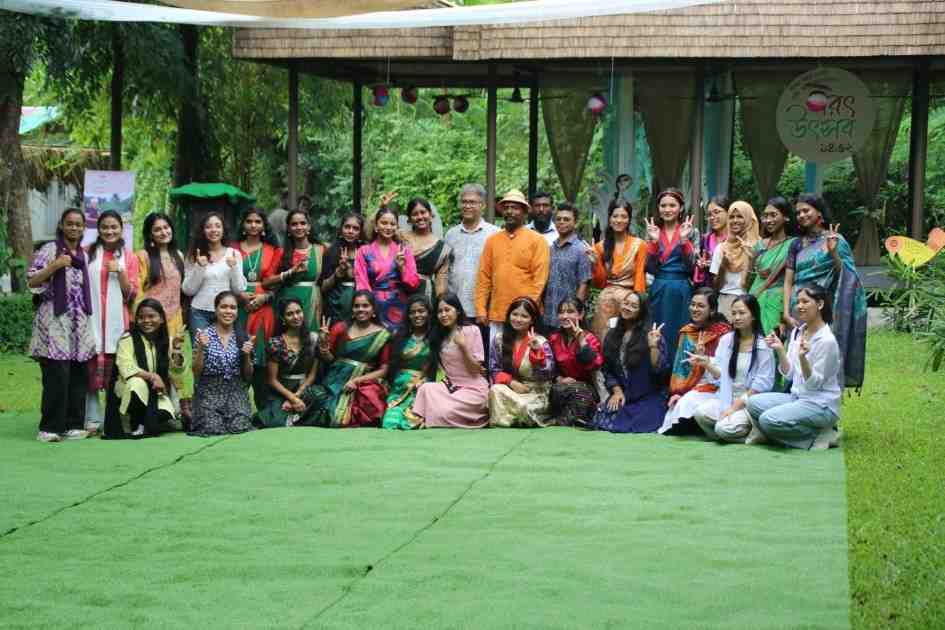

The Autumn Palmyrah Festival at Sonapahar blended culture, scholarship, and community. Students from seven countries celebrated the “tree of life” with performances, food, and debate, as Dr. Mosae hailed as “Palmyrah Man” inspired reflections on resilience, ecology, and tradition.
The late monsoon skies hung heavy over Sonapahar, but the air inside the farmhouse resort carried something different: laughter, music and the earthy sweetness of palmyrah fruit. On September 12, 2025, Sonapahar became more than a rustic retreat, it turned into a stage where culture, scholarship and community converged for the Autumn Palmyrah Festival.
It was a festival not just of food or folklore, but of meaning. The palmyrah, revered as the “tree of life”, stood at the center of conversations that wove together ecology, economics, tradition and resilience.
A global gathering under local skies
The festival attracted a rare blend of participants. Professors, farmers, writers and journalists rubbed shoulders with students of the Asian University for Women (AUW). These students, who hailed from Bangladesh, Nepal, East Timor, Bhutan, India, Myanmar and Sri Lanka brought their own cultural rhythms into the mix—singing, dancing and performing to express gratitude for nature’s gifts.
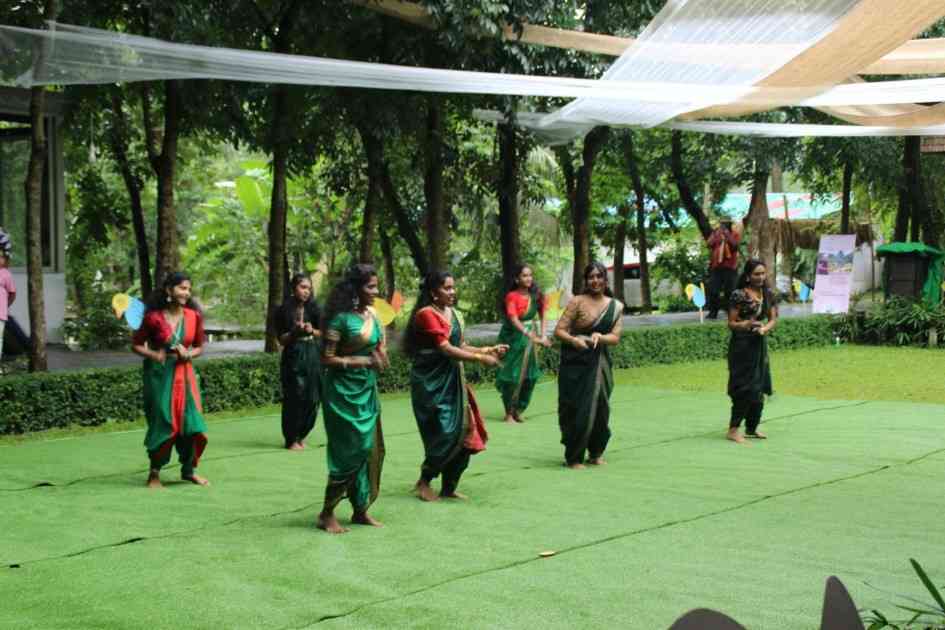
Their energy animated the audience, reminding everyone that culture, when shared, becomes both classroom and celebration. For many of them, this was their first taste literally and metaphorically of Bangladesh’s palmyrah heritage.
The “Palmyrah Man”
The day’s emotional heartbeat came with the arrival of Dr. Mosae Selvakumar Paulraj, a scholar and activist whose life’s work has been rooted in the palmyrah’s ecological and cultural significance.
As the afternoon unfolded, he was honored with the title of “Palmyrah Man” presented by Amzad Hossain, founder of Sonapahar Farmhouse Resort, along with Faruq Mainuddin of BRAC Bank and writer Mokaram Hossain.
In his keynote, Dr. Mosae spoke of the palmyrah not just as a tree but as a teacher: resilient, generous and quietly indispensable. “The palmyrah is a lesson in sustainability,” he said, urging the audience to see in its deep roots and towering presence a mirror of human endurance and social resilience. His words carried the gravity of scholarship but also the warmth of lived experience, leaving the crowd both thoughtful and inspired.
Sweet lessons on a plate
From the very start, taste shaped the festival. Guests were greeted with palmyrah cakes, puddings and drinks, each dish an edible essay on the tree’s bounty. The palmyrah fruit cake, vibrant in color and aroma, quickly became a centerpiece at once delicious and symbolic of the tree’s economic and nutritional value.


What might have been a simple tasting session transformed into a culinary classroom. Each bite revealed why communities for centuries have treasured the palmyrah not only for its shade but for its sustenance.
Where folklore meets academia
Beyond the performances and food, the festival created an intellectual forum disguised as community celebration. Writers and journalists joined farmers and artists in retelling the palmyrah’s place in oral traditions and folklore. Professors connected these stories to ecological knowledge, while students absorbed lessons that no textbook could capture.
The AUW team capped the day with a symbolic gesture: the presentation of a palmyrah sapling to be planted at Sonapahar. It was a small act but one that carried the promise of continuity, an acknowledgment that traditions live only when they are nurtured into the future.
The tree as symbol
Throughout the day, the palmyrah was both subject and symbol. As subject, it was studied for its ecological benefits and economic uses. As symbol, it became a metaphor for resilience, generosity, and cultural continuity.
Strong, enduring, and adaptable, the palmyrah reminded participants of what it means to sustain life not just as individuals, but as communities bound by nature’s gifts.
A festival that became a story
As dusk settled over Sonapahar, the festival closed with music, dance and the lingering taste of palmyrah sweets. Yet the day’s significance stretched far beyond its schedule. For many, it was not merely an event but a story they had stepped into a story of cultural depth, ecological wisdom and human connection.
The Autumn Palmyrah Festival at Sonapahar was more than a local gathering. It was a cultural narrative an academic journey and a living reminder that sometimes, the most profound teachers come not in classrooms but in the form of trees.
The writer, Denazia Da Silva Pires, is a student in the Environmental Science program at the Asian University for Women.




