


Global banks increased fossil fuel financing to $906 billion in 2024, undermining climate commitments and accelerating concerns over efforts to limit global warming and transition toward cleaner energy systems.
The world’s 65 largest banks committed $906 billion in new financing to the fossil fuel industry last year, marking an increase of $64 billion, or nearly 8 percent, from the previous year, according to the annual Banking on Climate Chaos report.
Even more striking, the report found that banks allocated $508 billion to the expansion of existing fossil fuel projects in 2024, a 27 percent increase from the previous year. The findings come at a time when governments and scientists are urging a rapid reduction in coal, oil and gas use to curb global warming, The Guardian reported.
Environmental researchers and analysts described the surge in funding as an alarming development amid international efforts to limit climate change. Under the landmark 2015 Paris Climate Agreement, countries pledged to keep global temperature rise within 1.5 degrees Celsius above pre-industrial levels. Scientists warn that if current trends continue, the world could permanently exceed that threshold within this decade, leading to more severe heatwaves, floods and droughts.
The report shows that responsibility for much of the financing is concentrated among a small group of institutions. Environmental campaigners said the so-called “Dirty Dozen” banks account for 40 percent of total fossil fuel financing. Geographically, nearly all of the funding originates from six major regions: the United States, Canada, Japan, China, the United Kingdom and the European Union.
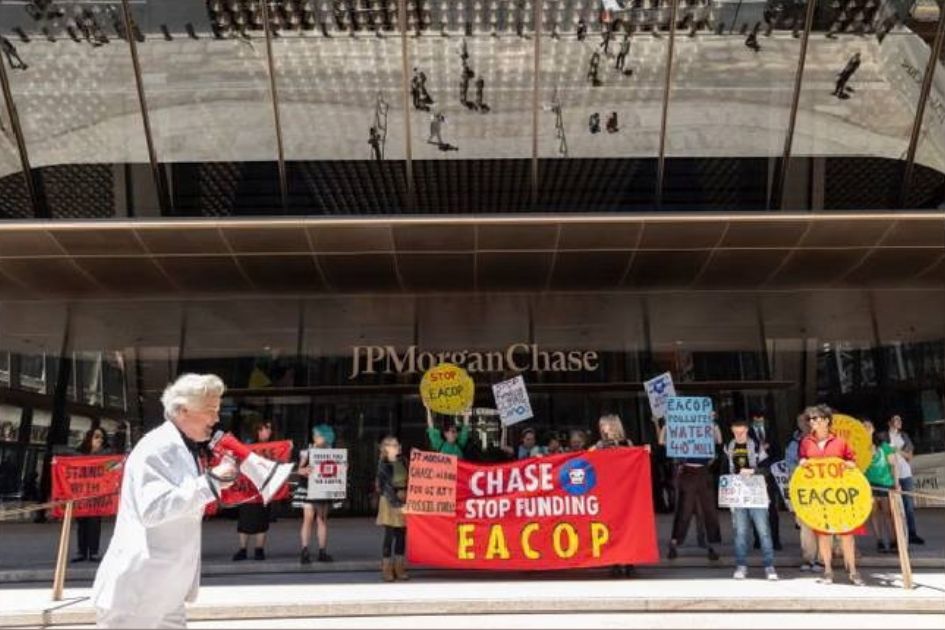
US and Japanese banks continued to dominate fossil fuel financing. US banking giant JPMorgan Chase ranked first, providing $58 billion to the sector in 2024 alone. It was followed by Bank of America, Japan’s MUFG and Mizuho Financial Group and US-based Citigroup. Among British lenders, Barclays ranked eighth on the list.
A large share of the loans provided by banks went to three major US oil and gas operators: Venture Global, Enbridge and Energy Transfer. The companies have benefited from soaring energy prices after recent US and Israeli military strikes in the Middle East triggered sharp increases in global oil and gas markets, helping fossil fuel firms generate record profits.
Despite the overall rise in financing, the report highlighted some signs of change. Twenty-six of the 65 banks reduced their fossil fuel financing significantly last year. The decline was led by three major European banks: BNP Paribas, UBS and La Caixa.
Only a few years ago, many of the world’s largest banks pledged to cut carbon emissions and restrict lending to industries such as coal. However, the report suggests that many institutions have since retreated, either quietly or openly, from those environmental commitments.
Analysts pointed to political changes in the United States and the resurgence of President Donald Trump as a major factor behind the shift. Trump has repeatedly dismissed the climate crisis as a hoax and has strongly supported expanded fossil fuel production. Under growing political pressure, banks have increasingly prioritised commercial interests over climate goals, contributing to the collapse of the United Nations-backed Net-Zero Banking Alliance last year.
Following publication of the report, several banks defended their financing strategies. JPMorgan Chase, Bank of America and Citigroup said they were attempting to maintain a balanced approach by supporting both traditional and renewable energy sectors. The institutions argued that such investments are necessary to ensure global energy security and keep energy supplies affordable during a period of continuing market uncertainty.




